
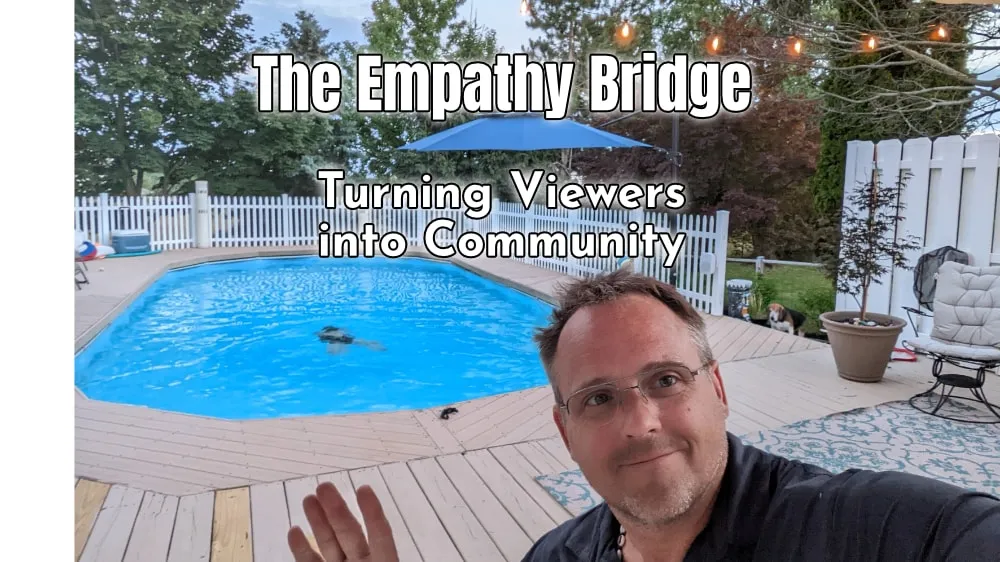
Case Study 2: The Empathy Bridge: How I Get Viewers to Care
Building the empathy bridge that transforms casual viewers into engaged buyers.
Published on
Author
Dobb Mayo
Time to read
2 min read
How I Transform Passive Viewers into Engaged Buyers
The “Why” Behind the Buy
Technical specs tell a customer what a product is, but empathy tells them why they need it. In a world of over-polished ads, I specialize in building “The Empathy Bridge”—content that connects your brand to the daily reality of the modern family.
The Strategy: Relatability Over “The Pitch”
- The Shared History Hook: I use high-impact triggers like Nostalgia—referencing the “wooden spoon” era or family heritage like my grandfather’s 1963 Studebaker Avanti—to immediately lower the viewer’s guard.
- The Peer-to-Peer Voice: I position your product within the high-stakes, high-energy life of a “Chatty Dad” managing three teenage athletes. I’m not a spokesperson; I’m a peer offering a solution to a shared problem.
- Narrative Credibility: As a Gold Medal-winning author on mental toughness, I weave stories that resonate with the values of the Gen X decision-maker.
The Creative Execution
- Lifestyle Integration: I show the product in the context of real-life friction points—like prepping for 7:00 AM volleyball tournaments or mid-winter home repairs in Michigan.
- Community First: Every video is an invitation to a conversation. I don’t just “post”; I build a tribe by asking the questions that turn a 15-second clip into a 50-comment thread.
- High-Fi Authenticity: I use my Canon R8 to ensure the “homestyle” feel never sacrifices the professional quality your brand deserves.
The Result: Trust That Converts
By the time the viewer sees your product’s “Functional Briefing,” the bridge is already built. They aren’t just buying a tool; they are buying into a lifestyle that has been vetted by someone they trust.
The Bottom Line: I move the needle on brand sentiment by making your product feel less like an expense and more like an essential part of the family story.